525 E Main St, Jefferson, NC 28640

(336) 846-2323

joel-yates-dental
  • About
    • Meet Our Team
  • Services
    • General Dentistry
      • Dental Cleaning And Exams
      • Digital X-Rays
      • Family Dentistry
      • Pediatric Dental Exams
      • Tooth Fillings
      • Children Dental Cleanings
    • Cosmetic Dentistry
      • Botox Treatment
      • Cosmetic Tooth Bonding
      • Dental Bridges
      • Dental Crowns
      • Dental Veneers
      • Gum Contouring
      • Invisalign
      • Teeth Whitening
    • Emergency Dentistry
      • Tooth Extractions
    • Restorative Dentistry
      • Bone Grafting
      • Dental Implants
      • Dentures
      • Endodontics
      • Orthodontics
      • Periodontal Gum Disease
      • Retainers
      • Root Canal Therapy
      • Scaling and Root Planing
      • Sedation Dentistry
      • Sleep Apnea
      • TMJ Treatment
      • Oral Cancer Screening
    • Fluoride Treatment
    • Pediatric Dentistry
    • Preventive Dentistry
  • New Patients
  • Blog
  • Contact
Book An Appointment
  • History of Dental Bridges

    History of Dental Bridges

    Have you ever wondered how the concept of dental bridges came to be in the history of dentistry? Dental bridges, as a solution for missing teeth, have evolved significantly over centuries, starting from early rudimentary replacements to today’s advanced, custom-designed options that seamlessly blend with natural teeth. This journey reflects not only advancements in dental technology but also a deeper understanding of oral health’s impact on overall well-being.

    Origins of Early Dental Bridge Techniques

    The history of dental bridges dates back to ancient civilizations, where the quest for solving the problem of missing teeth led to the development of early dental bridge techniques. These initial attempts were rudimentary, often involving the use of materials like animal bones, ivory, or even teeth from deceased humans. The Etruscans, an ancient Italian civilization, are credited with one of the earliest known uses of dental bridges around 700 BC. They crafted bridges using gold bands to hold replacement teeth, usually obtained from animals or other humans, in place. This method, although primitive by today’s standards, laid the groundwork for the evolution of more sophisticated dental bridge techniques.

    As dental technology advanced, so did the materials and methods used for dental bridges. By the 18th century, dentists began experimenting with porcelain and other materials to create more natural-looking replacement teeth. However, it wasn’t until the 20th century that dental bridges as we know them began to take shape, with the introduction of stronger materials like metal alloys and ceramics. These advancements allowed for the development of more durable and aesthetically pleasing solutions for missing teeth. Today, there are several Types of Dental Bridges available, each designed to cater to different needs and preferences, marking a significant evolution from their ancient origins.

    Evolution of Materials in Bridge Construction

    The history of dental bridges is a fascinating journey through time, showcasing the evolution of materials used in their construction. Initially, dental bridges were made from materials like bone, ivory, or even gold, reflecting the era’s technological limitations and societal status symbols. As medical science and technology advanced, so did the materials used in dental bridges. The 20th century marked a significant shift with the introduction of porcelain and various metal alloys, offering a balance between strength, durability, and aesthetic appeal. These materials allowed for more natural-looking and longer-lasting dental solutions, revolutionizing the approach to bridging gaps caused by missing teeth.

    In recent years, the focus has shifted towards even more advanced materials such as zirconia and composite resins. These materials not only mimic the natural appearance of teeth but also boast superior strength and compatibility with the human body, reducing the risk of allergic reactions and ensuring a more comfortable fit. The continuous innovation in materials for dental bridges underscores the dental industry’s commitment to improving oral health outcomes and patient satisfaction. For those seeking the latest in dental bridge technology, Jefferson’s top choice for dental bridges remains at the forefront of these advancements, offering solutions that combine both function and aesthetics.

    Cultural Impact of Dental Bridges

    Dental bridges have played a significant role in societies around the world, not just in terms of oral health, but also in shaping cultural perceptions of beauty and social status. Historically, the ability to replace missing teeth with bridges often signified wealth and access to advanced dental care, which was not available to everyone. This distinction contributed to societal standards where a full, healthy smile was often associated with higher social standing. Over time, as dental technology became more accessible, the cultural impact of dental bridges evolved. They began to symbolize not just social status, but also the importance placed on oral health and its connection to overall well-being. Today, dental bridges continue to influence cultural attitudes towards dental care, emphasizing the value of maintaining a healthy and complete smile.

    Notable Historical Figures with Dental Bridges

    Throughout history, dental bridges have been a solution for missing teeth, not just for the general public but also for some of the most notable figures in history. These individuals, ranging from ancient rulers to influential leaders in more recent times, have utilized dental bridges to improve their oral health and, by extension, their public appearance. The use of dental bridges by such prominent figures underscores the importance and value of dental health and aesthetics across different eras and cultures. For more insights into the evolution of dental care and its impact on society, consider exploring the work of Joel W Yates Jr. D.D.S. here.

    Future Trends in Dental Bridge Technology

    The landscape of dental bridge technology is poised for significant evolution, driven by advancements in materials science and digital dentistry. As research continues to push the boundaries of what’s possible, future trends are expected to focus on enhancing the durability, aesthetics, and functionality of dental bridges. Innovations may include the development of new materials that mimic the natural properties of teeth more closely, as well as the integration of digital imaging and 3D printing technologies to ensure a more precise and personalized fit. These advancements aim to improve patient outcomes, making dental bridges more comfortable, longer-lasting, and visually indistinguishable from natural teeth.

    Conclusion

    For more insights and experiences, read reviews on Google Maps. To discuss further, call us at 336-846-2323.
    Kickstart

    March 6, 2024
  • Types of Dental Bridges

    Types of Dental Bridges

    Are you curious about the different types of dental bridges available? Dental bridges are designed to bridge the gap created by one or more missing teeth, and they come in various forms, each tailored to meet specific dental needs and preferences. Understanding these types can help individuals make informed decisions about their dental health.

    Traditional Fixed Dental Bridges

    Traditional fixed dental bridges are one of the most common solutions for replacing missing teeth. This type of dental bridge involves creating a crown for the tooth or implant on either side of the missing tooth, with a pontic (or false tooth) in between. Fixed bridges are called “traditional” because they have been used for many years to restore functionality and aesthetics to a patient’s smile. They are cemented to the natural teeth or implants surrounding the empty space, providing a permanent solution that cannot be removed.

    The materials used for traditional fixed dental bridges vary, including porcelain fused to metal or ceramics, which are chosen to match the natural color of the patient’s teeth. This ensures that the bridge blends seamlessly with the rest of the teeth, maintaining a natural appearance. For individuals concerned about how their dental bridge will look, exploring Dental Bridge Aesthetics can provide valuable insights into how modern dental technology and materials can create a visually pleasing result. Traditional fixed bridges not only improve the function of your teeth but also have the potential to enhance your overall smile aesthetics.

    Cantilever Dental Bridges

    Cantilever dental bridges are a type of dental restoration used when there are adjacent teeth on only one side of the missing tooth or teeth gap. This method differs from traditional bridges that require support from teeth on both sides of the missing tooth. The cantilever bridge is anchored to one or more natural teeth on one side, which then extends over the gap to hold a false tooth in place. It’s a solution considered in specific cases where the traditional approach may not be feasible or recommended.

    The application and suitability of cantilever dental bridges depend on various factors, including the location of the gap, the condition of the teeth next to the gap, and the overall oral health of the patient. Each case is unique, and the decision to use a cantilever dental bridge involves careful consideration by dental professionals. Explore dental bridges in Jefferson to understand how they can address different dental needs.

    Maryland Bonded Dental Bridges

    Maryland Bonded Dental Bridges represent a popular choice for individuals looking to address the issue of missing teeth. This type of dental bridge utilizes a metal or porcelain framework to which the artificial teeth are attached. The framework is then bonded to the back of the adjacent natural teeth. Unlike traditional bridges, Maryland Bonded Dental Bridges do not require the adjacent teeth to be extensively prepared or reshaped, making them a less invasive option. They are often used for replacing front teeth, where the biting forces are minimal, and the emphasis on aesthetics is paramount.

    Implant-Supported Dental Bridges

    Implant-supported dental bridges represent a modern solution for replacing missing teeth. Unlike traditional bridges, these are anchored directly to the jawbone through dental implants, providing a stable and durable foundation. This method not only helps restore the functionality of the teeth but also preserves the jawbone’s integrity, preventing bone loss that often occurs with missing teeth. For more detailed information, consider consulting Joel W Yates Jr. D.D.S.

    Materials Used in Dental Bridges

    Dental bridges are a common solution for replacing missing teeth, and they can be made from a variety of materials. The choice of material plays a crucial role in the durability, aesthetics, and cost of the dental bridge. Common materials include porcelain, which is often favored for its ability to match the natural color of teeth, and metals such as gold, alloy, or a combination of these, known for their strength and longevity. Another option is porcelain fused to metal, which offers a balance between strength and a natural appearance. Each material has its own set of advantages and is selected based on the specific needs and preferences of the patient.

    Conclusion

    For more insights, read reviews on Google Maps or call us at 336-846-2323 to discuss further.

    Kickstart

    March 6, 2024
  • Dental Bridge Aesthetics

    Dental Bridge Aesthetics

    Are you curious about how dental bridges can enhance your smile’s appearance? Dental bridge aesthetics focus on creating a seamless look by filling gaps with artificial teeth that blend with your natural ones. This solution aims to restore both function and beauty to your smile without drawing attention to the dental work itself.

    Types of Dental Bridge Materials

    When considering the aesthetics of dental bridges, understanding the various materials used in their construction is crucial. The most common materials include porcelain, ceramic, and metal alloys. Porcelain and ceramic bridges are popular for their ability to mimic the natural color and texture of teeth, making them a preferred choice for front teeth restorations. Metal alloys, often composed of gold, silver, or a combination of metals, are typically used for their strength and durability, especially in areas of the mouth that undergo significant chewing pressure.

    Choosing the right material for a dental bridge not only affects its aesthetic appeal but also its functionality and longevity. Each material has its unique advantages and considerations. For instance, porcelain bridges offer a high degree of natural appearance, which is essential for those concerned about their smile’s aesthetic. On the other hand, metal alloys might be more suitable for back teeth due to their superior strength. For individuals weighing the options between a bridge and an alternative solution, exploring Dental Bridge vs Implant could provide valuable insights into making an informed decision that best suits their needs and preferences.

    Color Matching with Natural Teeth

    Achieving a seamless appearance with dental bridges involves meticulous attention to the color matching process with the patient’s natural teeth. This aspect of dental aesthetics is crucial because it ensures that the dental bridge blends in harmoniously, without drawing undue attention or appearing out of place. The goal is to create a look that is both beautiful and indistinguishable from the natural dentition. Advances in dental materials and technology have made it possible to closely replicate the color, translucency, and reflective properties of natural teeth, ensuring that dental bridges can be customized to match each individual’s unique smile.

    The process of color matching requires a keen eye for detail and a deep understanding of dental aesthetics. It is part of the broader effort to restore not only the function but also the natural appearance of teeth that have been compromised. For those considering a dental bridge, consulting with experienced dental professionals who specialize in aesthetic restorations is essential. If you’re looking for expertise in this area, Your Jefferson dental bridge experts are well-equipped to guide you through the process, ensuring results that meet your expectations for both appearance and functionality.

    Impact on Smile Symmetry

    The aesthetic appeal of a dental bridge is a significant consideration for many, primarily due to its impact on smile symmetry. A well-crafted dental bridge blends seamlessly with natural teeth, maintaining or enhancing the uniform appearance of one’s smile. The symmetry of a smile is crucial, as it contributes to the overall balance and harmony of facial features. When dental bridges are designed and placed with precision, they play a pivotal role in preserving the natural alignment and spacing of teeth, ensuring that the smile remains symmetrical and visually appealing. This aspect of dental aesthetics is essential for individuals looking to maintain or improve their smile’s appearance following tooth loss or damage.

    Longevity of Dental Bridges

    When considering the aesthetic and functional benefits of dental bridges, one of the most common questions revolves around their longevity. It’s a topic that has been thoroughly explored by professionals in the field, including Joel W. Yates Jr. D.D.S, who emphasizes the importance of understanding the factors that contribute to the lifespan of these dental solutions. Generally, with proper care and maintenance, dental bridges can serve their purpose effectively for many years, seamlessly blending with natural teeth and enhancing one’s smile and overall dental health.

    Maintenance for Aesthetic Preservation

    Maintaining the aesthetic appeal of dental bridges is crucial for ensuring they blend seamlessly with natural teeth over time. Regular check-ups with a dental professional play a significant role in preserving the appearance and functionality of these dental appliances. These visits allow for the monitoring of the dental bridge and the health of surrounding teeth and gums. Additionally, maintaining good oral hygiene is essential in preserving the aesthetic integrity of dental bridges, as it helps prevent issues that could compromise their appearance.

    Conclusion

    For more insights, read reviews on Google Maps or call us at 336-846-2323.

    Kickstart

    March 6, 2024
  • Dental Bridge vs Implant

    Dental Bridge vs Implant

    Are you trying to decide between a dental bridge and an implant? Both options serve to replace missing teeth, but they differ significantly in procedure, longevity, and overall impact on oral health. Understanding these differences can help you make an informed decision about which option might be right for you.

    Definition of Dental Bridge

    A dental bridge is a fixed dental restoration used to replace one or more missing teeth by joining an artificial tooth definitively to adjacent teeth or dental implants. It essentially bridges the gap where teeth are absent. Dental bridges are made from a variety of materials, including porcelain, ceramics, or metal alloys, designed to blend in with the natural color of your teeth for a seamless appearance. The choice of material depends on the location of the missing tooth, the function of the bridge, and aesthetic considerations.

    For individuals looking to understand the process in more detail, exploring a Dental Bridge Procedure can provide valuable insights into how dental professionals go about replacing missing teeth with bridges. This procedure involves preparing the adjacent teeth, taking impressions, and creating a bridge that perfectly fits the gap. The ultimate goal of a dental bridge is to restore both the functionality and appearance of your teeth, enhancing your smile and improving your ability to chew and speak comfortably.

    Definition of Dental Implant

    A dental implant is a surgical component that interfaces with the bone of the jaw or skull to support a dental prosthesis such as a crown, bridge, denture, facial prosthesis, or to act as an orthodontic anchor. Essentially, it serves as a replacement for the root of a missing tooth. This procedure is widely recognized for its ability to offer a strong foundation for fixed (permanent) or removable replacement teeth that are made to match your natural teeth. The process involves the insertion of a titanium post into the jawbone, which then fuses with the bone over a few months, providing stable support for artificial teeth.

    Dental implants are celebrated for their durability and the way they seamlessly integrate into the oral cavity, closely mimicking natural teeth both in function and appearance. They not only help in restoring the aesthetics of one’s smile but also contribute significantly to improving oral health by maintaining the structure of the jawbone and preventing bone loss. For those considering alternatives to dental implants, Affordable dental bridges in Jefferson might be an option worth exploring.

    Durability Comparison

    When considering the longevity of dental bridges versus implants, it’s essential to understand that both options are designed to be long-lasting solutions for missing teeth. The durability of each option can vary based on several factors, including the individual’s oral health, the materials used, and the care and maintenance practices followed. Generally, dental implants are known for their robustness and can last many years, often being described as a permanent solution. On the other hand, dental bridges also offer a considerable lifespan, though they may require replacement or repair sooner than implants. The choice between the two should be made after consulting with a dental professional who can assess your specific needs and circumstances.

    Aesthetic Outcomes

    When considering the aesthetic outcomes of dental bridges versus implants, it’s essential to understand how each option integrates with your natural smile. Dental implants are known for their ability to mimic the look and feel of natural teeth closely, as they are individually crafted and inserted directly into the jawbone, offering a seamless appearance. On the other hand, dental bridges also provide a visually pleasing result by filling the gap left by missing teeth, using adjacent teeth as support. Both options aim to restore the beauty of your smile, but the choice between them may depend on various factors including the condition of surrounding teeth and personal preferences. For more detailed information, consider consulting with Joel W Yates Jr. D.D.S at here.

    Procedure Time Differences

    When considering the differences between dental bridges and implants, one significant factor to evaluate is the procedure time involved. Generally, the process for obtaining a dental bridge is quicker than that for an implant. A bridge can often be completed in a few weeks, requiring a couple of visits to the dentist. On the other hand, dental implants involve a more complex procedure that includes the surgical insertion of the implant into the jawbone, followed by a healing period that can last several months before the final crown is placed. This extended timeline is due to the need for the implant to integrate with the bone, a process known as osseointegration, ensuring a stable and durable foundation for the replacement tooth.

    Conclusion

    Deciding between a dental bridge and an implant is crucial for your oral health. For further inquiries, call us at 336-846-2323 or read our reviews on Google Maps.

    Kickstart

    March 6, 2024
  • Dental Bridge Procedure

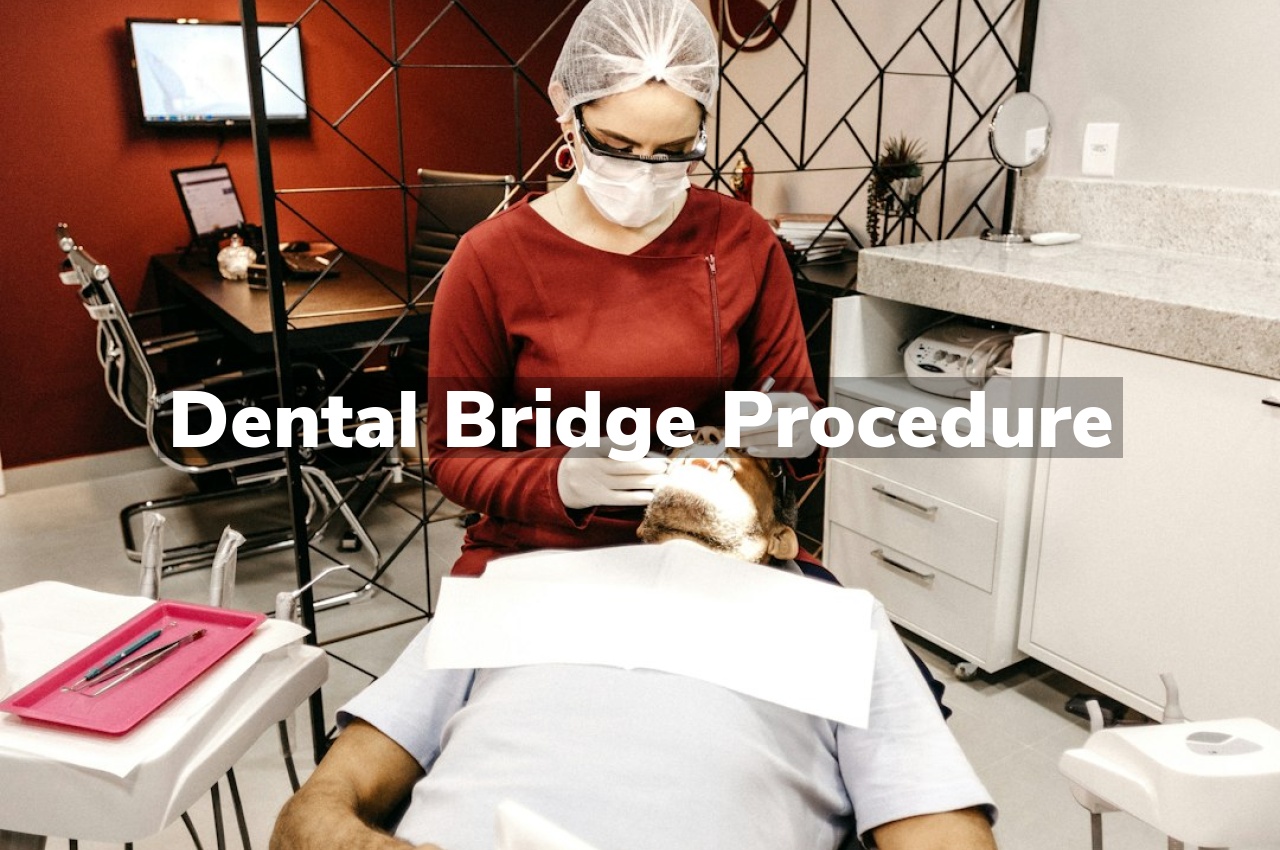
    Dental Bridge Procedure

    Are you wondering what a dental bridge procedure involves? It’s a method used to replace missing teeth by anchoring artificial ones to adjacent natural teeth or implants. This process can help restore both the functionality and appearance of your smile.

    Types of Dental Bridge Procedures

    Dental bridge procedures are a common solution for replacing missing teeth, and there are several types available to cater to different needs and preferences. The traditional dental bridge involves creating a crown for the teeth on either side of the missing tooth, with a replacement tooth (or teeth) in between. This is the most common type of bridge. Another option is the cantilever bridge, which is used when there are adjacent teeth on only one side of the missing tooth or teeth. The Maryland bonded bridge, also known as a resin-bonded bridge, is less invasive and uses metal or porcelain wings attached to the adjacent teeth. Lastly, the implant-supported bridge is an alternative for those looking for a more stable solution, as it is anchored directly into the jawbone with dental implants.

    Understanding the differences between these types of dental bridge procedures is crucial for anyone considering this method for addressing tooth loss. Each type has its own set of advantages and considerations, including varying durability and aesthetic outcomes. For those interested in the longevity of these solutions, exploring the Lifespan of Dental Bridges can provide valuable insight into what can be expected in terms of wear and maintenance over time. Making an informed decision involves considering both the immediate aesthetic and functional benefits as well as the long-term commitment to oral health.

    Understanding the Procedure Process

    The dental bridge procedure is a comprehensive process aimed at replacing missing teeth, thereby restoring both the functionality and aesthetics of a patient’s smile. Initially, the dentist prepares the abutment teeth, which involves reshaping these teeth to ensure a proper fit for the bridge. Following this preparation, an impression of the teeth is taken, which serves as a model from which the bridge, pontic (the false tooth), and crowns (which will be placed over the abutment teeth) are made by a dental lab. While the custom bridge is being created, a temporary bridge is placed to protect the exposed teeth and gums. Once the permanent bridge is ready, the temporary bridge is removed, and the new bridge is adjusted as necessary to ensure a comfortable and precise fit.

    The final step involves a series of follow-up visits to check and adjust the fit of the metal framework and bite. This meticulous process ensures that the dental bridge seamlessly integrates with the patient’s existing dental structure, providing a solution that not only looks natural but also functions effectively. For those seeking to restore their smile in Jefferson, exploring Trusted dental bridge services in Jefferson can be the first step towards achieving a seamless and functional dental restoration.

    Benefits of Dental Bridges

    Dental bridges offer a myriad of advantages for individuals looking to restore the functionality and aesthetics of their smile. Primarily, they help in filling the gaps left by missing teeth, thus improving one’s ability to chew and speak properly. Additionally, dental bridges can prevent the remaining teeth from shifting out of position, which could lead to further dental complications. By distributing the forces in your bite more evenly, they also help in maintaining the shape of your face, ensuring that your smile remains as natural-looking as possible. Furthermore, dental bridges are a durable solution that can last many years with proper care, making them a reliable option for those seeking to enhance their dental health and confidence.

    Recovery and Aftercare Considerations

    After undergoing a dental bridge procedure, it’s crucial for patients to give their mouths ample time to heal and adjust to the new dental appliance. Recovery times can vary based on individual health factors and the complexity of the procedure. During this period, patients should follow their dentist’s guidance closely to ensure a smooth and effective healing process. Proper aftercare is essential to avoid complications and to prolong the lifespan of the dental bridge. It involves maintaining good oral hygiene practices and attending follow-up appointments as recommended by your dental professional. For more information, consider reaching out to Joel W Yates Jr. D.D.S here.

    Common Questions About Dental Bridges

    When considering dental bridges, many individuals have a variety of questions regarding the procedure. Common inquiries often revolve around the purpose of dental bridges, how they are placed, and what one can expect during the process. Understanding the basic aspects of dental bridges is crucial for anyone looking into this dental solution. These questions typically aim to clarify the functionality and benefits of dental bridges in improving dental health and restoring the aesthetics of one’s smile.

    Conclusion

    For more insights, read reviews on Google Maps or call us at 336-846-2323.

    Kickstart

    March 6, 2024
  • Lifespan of Dental Bridges

    Lifespan of Dental Bridges

    How long can you expect your dental bridge to last? The lifespan of dental bridges typically ranges, with many lasting several years when properly maintained. Factors such as material used and oral hygiene practices play a crucial role in determining their durability.

    Types of Dental Bridges

    Dental bridges are a common solution for replacing missing teeth, and they come in various types to accommodate different dental needs and preferences. The traditional fixed bridge is the most popular type, consisting of a false tooth or teeth (pontics) held in place by dental crowns cemented onto the adjacent teeth. Cantilever bridges, similar to traditional ones, are used when there are adjacent teeth on only one side of the missing tooth or teeth. Maryland bonded bridges, also known as resin-bonded bridges, use metal or porcelain frameworks bonded to the backs of adjacent teeth, making them less invasive than other types. Lastly, implant-supported bridges offer a more durable and stable solution, as they are anchored directly into the jawbone with dental implants.

    Understanding the evolution of these dental solutions can provide insight into their durability and functionality. The History of Dental Bridges reveals how advancements in dental technology and materials have significantly improved the lifespan and comfort of these dental appliances. Each type of dental bridge has its own set of advantages and considerations, making it crucial for individuals to consult with dental professionals to determine the most suitable option for their specific situation.

    Factors Affecting Bridge Longevity

    The lifespan of dental bridges can significantly vary from one individual to another, influenced by a myriad of factors. One of the primary determinants is the material from which the bridge is made; different materials boast varying degrees of durability and resistance to wear and tear. Additionally, the location of the bridge in the mouth plays a crucial role, as bridges that replace molars endure more stress from chewing than those replacing front teeth. The quality of the dental work and the precision in fitting the bridge also contribute to its longevity, underscoring the importance of professional expertise in dental bridge placement.

    Another pivotal factor is the individual’s oral hygiene practices and overall health. Regular brushing, flossing, and dental check-ups can extend the life of a dental bridge, while habits such as smoking or conditions like diabetes may compromise its durability. The way an individual uses their teeth, such as grinding or clenching, can also impact the lifespan of a dental bridge. Understanding these factors can help individuals set realistic expectations about the longevity of their dental bridges and underscore the importance of ongoing care and maintenance. Get your dental bridge in Jefferson today.

    General Maintenance of Dental Bridges

    Maintaining dental bridges is crucial for their longevity and overall oral health. Regular care involves practices that support the durability and functionality of the bridge. It’s important to follow general guidelines for oral hygiene, as this helps in preserving the structural integrity of the bridge and preventing issues that could compromise its lifespan. Ensuring that dental bridges are kept in good condition is a fundamental aspect of oral care, emphasizing the importance of routine check-ups and cleanings by dental professionals.

    Common Issues with Aging Bridges

    As dental bridges age, they may encounter several common issues that can affect their functionality and appearance. Over time, the materials used in the construction of dental bridges can wear down or become damaged, leading to potential problems such as cracking, chipping, or even complete failure of the bridge. Additionally, the natural teeth that support the bridge can also be affected by decay or gum disease, which can compromise the stability and effectiveness of the bridge. These issues highlight the importance of regular dental check-ups to monitor the condition of dental bridges and ensure their longevity.

    For more information, visit Joel W. Yates Jr. D.D.S..

    Impact of Oral Hygiene Practices

    The lifespan of dental bridges can be significantly influenced by an individual’s oral hygiene practices. Consistent and proper care of the mouth, teeth, and gums plays a crucial role in maintaining the structural integrity and functionality of dental bridges. Factors such as regular brushing and flossing, along with routine dental check-ups, are essential in preventing issues that could compromise the longevity of these dental restorations. The relationship between oral hygiene and the durability of dental bridges underscores the importance of adopting and maintaining good oral health habits.

    Conclusion

    For more insights, read our reviews on Google Maps or call us at 336-846-2323 today.

    Kickstart

    March 6, 2024
  • Before and After Transformation: The Best Results from Cosmetic Tooth Bonding

    Before and After Transformation: The Best Results from Cosmetic Tooth Bonding

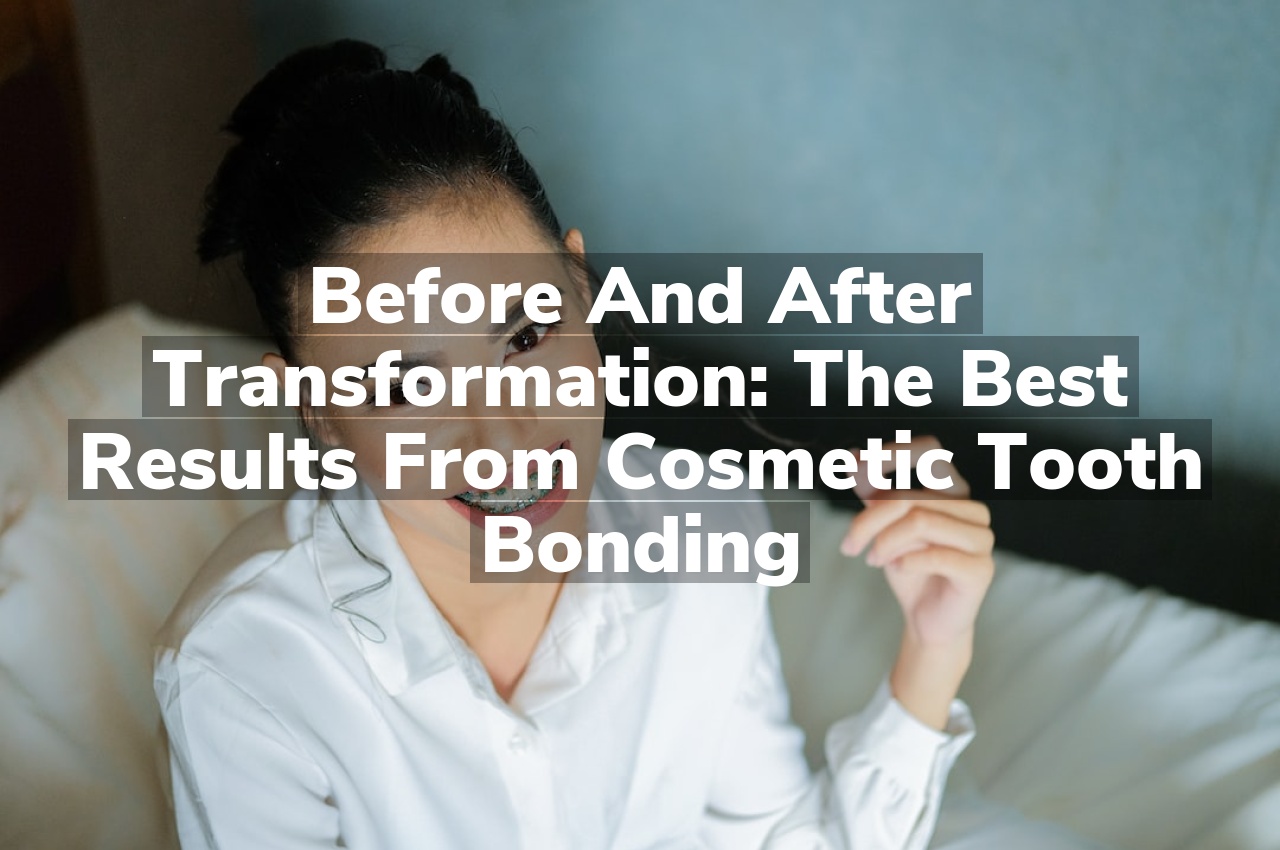
    Are you curious about the transformative power of cosmetic tooth bonding and how it can revolutionize your smile? At Joel W. Yates Jr. D.D.S., we take pride in showcasing our patients’ stunning before and after results, demonstrating the remarkable changes that can be achieved with this simple yet effective procedure.

    Smile Makeovers: Dramatic Bonding Reveals

    When it comes to enhancing your smile, cosmetic tooth bonding stands out as a versatile and minimally invasive procedure. The before and after transformations can be nothing short of dramatic, with patients revealing a newfound confidence in their smiles. This technique is adept at correcting chips, gaps, and discolorations in teeth, providing a seamless and natural appearance. The results are immediate and can last for years with proper care. But beyond the aesthetic improvement, one of the most appealing aspects of tooth bonding is its cost-effectiveness. Many patients are pleasantly surprised to find that achieving their dream smile doesn’t have to break the bank.

    Understanding the financial aspect of smile makeovers is crucial, and that’s why we’ve put together comprehensive information on What is the Cost of Tooth Bonding? Discover Affordable Prices. This resource will guide you through the various factors that influence the cost of tooth bonding, ensuring that you can make an informed decision about your dental care. With cosmetic tooth bonding, not only can you expect to see dramatic before and after results, but you can also enjoy the benefits of a cost-effective solution for a radiant smile.

    Bonding Magic: Erasing Chips and Cracks


    Cosmetic tooth bonding is a transformative procedure that works like magic to rectify dental imperfections. This minimally invasive technique can dramatically improve the appearance of teeth that have been chipped or cracked, restoring them to their original glory. The composite resin used in tooth bonding is expertly matched to your natural tooth color, ensuring a seamless blend. Not only does this process erase the visible signs of dental damage, but it also strengthens the affected teeth, providing both aesthetic and functional benefits. Patients are often amazed by the immediate results, as the once noticeable chips and cracks vanish, leaving behind a flawless smile.

    The beauty of cosmetic tooth bonding lies in its simplicity and effectiveness. Unlike more extensive dental procedures, bonding can be completed in just one visit, making it a convenient option for those looking to enhance their smile without significant downtime. It’s an affordable solution that doesn’t compromise on quality, offering a significant improvement in the look and feel of your teeth. For those seeking the best in dental care, Jefferson’s Premier Cosmetic Tooth Bonding Services are available to provide you with a smile that not only looks natural but also exudes confidence.

    From Stains to Stunning: Bonding Wonders

    Embark on a journey from dental despair to a captivating smile with cosmetic tooth bonding, a transformative solution for those plagued by stained or discolored teeth. This minimally invasive procedure not only conceals unsightly blemishes but also reshapes your smile, offering a quick and cost-effective route to a stunning, natural-looking appearance. Witness the astonishing before and after results as dental bonding works its magic, turning flawed teeth into flawless treasures. Embrace the confidence that comes with a brighter, more uniform smile, and let the wonders of tooth bonding reflect your inner radiance.

    Gap Fixes: Before & After Bonding


    Cosmetic tooth bonding is a transformative procedure that can dramatically improve the appearance of your smile, particularly when it comes to fixing gaps between teeth. Before bonding, gaps can make your smile look uneven and may cause self-consciousness. However, after a skilled dentist applies a tooth-colored resin in a process known as dental bonding, these spaces can be seamlessly closed. The results are immediate and stunning, with the bonded teeth blending perfectly with the surrounding dentition, creating a uniform, gap-free smile. The before and after photos of gap fixes through bonding are a testament to the effectiveness of this cosmetic solution. For those interested in achieving such impressive results, Joel W. Yates Jr. D.D.S. offers expert cosmetic bonding services that can transform your smile quickly and effectively.

    The Bonding Glow-Up: Pearlescent Perfection


    Experience the remarkable transformation that cosmetic tooth bonding can offer with our ‘Before and After’ gallery, showcasing the best results that have left our clients beaming with confidence. This minimally invasive procedure has the power to correct chips, gaps, and discolorations, gifting you with a harmonious, pearlescent smile that radiates perfection. Witness the stunning metamorphosis as dental imperfections are masterfully concealed, revealing a flawless, natural-looking set of pearly whites. Embrace the bonding glow-up and let your smile be your signature accessory, reflecting a pristine and impeccable dental aesthetic.

    Conclusion

    Experience the confidence boost that comes with a stunning smile; call Joel W. Yates Jr. D.D.S at 336-846-2323 and read our reviews to see how we transform lives with cosmetic tooth bonding.

    Kickstart

    February 2, 2024
  • What is the Cost of Tooth Bonding? Discover Affordable Prices

    What is the Cost of Tooth Bonding? Discover Affordable Prices

    Wondering about the cost of tooth bonding and how it can fit into your budget? At Joel W. Yates Jr. D.D.S., we offer affordable prices for tooth bonding, ensuring you can achieve a dazzling smile without breaking the bank.

    Understanding Tooth Bonding Basics


    Tooth bonding is a cosmetic dental procedure that can significantly improve the appearance of your teeth at a relatively low cost. It involves the application of a tooth-colored resin material, which is then hardened with a special light, bonding the material to the tooth to restore or improve an individual’s smile. This procedure is commonly used for fixing chipped or cracked teeth, reducing gaps between teeth, or changing the shape and color of teeth. The cost-effectiveness of tooth bonding makes it an attractive option for those seeking dental enhancements without the financial burden of more invasive procedures.

    When considering tooth bonding, it’s essential to understand not only the immediate costs but also the longevity of the treatment. For a comprehensive look at the durability of tooth bonding, you might want to read The Ultimate Guide: How Long Does Tooth Bonding Really Last?. This resource will give you a deeper insight into what you can expect in terms of maintenance and how often you might need to budget for touch-ups or replacements, which are important factors when calculating the overall affordability of tooth bonding.

    Average Tooth Bonding Price Range

    The cost of tooth bonding can vary widely depending on several factors, including the complexity of the procedure, the dentist’s experience, and the geographic location of the dental practice. On average, patients can expect to pay anywhere from $100 to $400 per tooth for dental bonding. This price range is generally more affordable compared to other cosmetic dental procedures like veneers or crowns. It’s important to note that while some dental insurance plans may cover a portion of the cost if the bonding is deemed necessary for structural reasons or to fill a cavity, cosmetic bonding is often paid out-of-pocket.

    When considering tooth bonding, it’s essential to weigh not only the immediate cost but also the long-term value. Dental bonding is a relatively quick procedure that can last several years with proper care, making it a cost-effective solution for many patients looking to enhance their smile. For those interested in exploring their options and learning more about what to expect in terms of pricing and outcomes, Explore Cosmetic Tooth Bonding in Jefferson to gain a better understanding of the service and how it can fit into your dental care budget.

    Factors Influencing Bonding Costs


    When considering the cost of tooth bonding, several factors come into play that can affect the overall price. The complexity of the procedure is a primary determinant; simple chips or cracks will generally be less expensive to repair than more extensive damage. The number of teeth requiring bonding also significantly impacts the cost, as does the dentist’s experience and geographic location. Additionally, the type of material used for bonding—composite resin varies in quality and price—can influence the final cost. Dental insurance may cover a portion of the expense if the bonding is deemed necessary for structural reasons rather than purely cosmetic ones. It’s essential to consult with your dentist to get an accurate estimate tailored to your specific needs and to explore all possible options for affordable dental care.

    Insurance Coverage and Bonding


    When considering the cost of tooth bonding, it’s essential to explore the role of dental insurance. Many insurance plans classify bonding as a restorative procedure, potentially covering a significant portion of the cost, depending on your specific policy. However, coverage can vary widely, so it’s crucial to check with your insurance provider to understand the extent of your benefits. Additionally, some dental practices may offer payment plans or financing options to make the treatment more accessible. Remember to inquire about these options when discussing the procedure. For those seeking expert dental care at affordable prices, Joel W. Yates Jr. D.D.S. offers a range of services, including tooth bonding, with options that may suit your financial and dental health needs.

    Saving Money on Tooth Bonding


    When considering the cost of tooth bonding, it’s essential to explore ways to make the procedure more affordable without compromising on quality. One effective strategy is to compare prices among different dental professionals, as rates can vary significantly. Additionally, inquire about payment plans or financing options, which can spread the cost over time, making it more manageable. Some dental practices may offer discounts for multiple teeth or full-mouth bonding, so be sure to ask about any package deals. Don’t forget to check if your dental insurance policy covers a portion of the bonding process, as this can substantially reduce your out-of-pocket expenses. Lastly, maintaining excellent oral hygiene and regular dental check-ups can prevent the need for extensive bonding work in the future, ultimately saving you money on dental procedures.

    Conclusion

    Experience the confidence boost that comes with a stunning smile; call Joel W. Yates Jr. D.D.S at 336-846-2323 and read our reviews to see how we transform lives with cosmetic tooth bonding.

    Kickstart

    February 2, 2024
  • The Ultimate Guide: How Long Does Tooth Bonding Really Last?

    The Ultimate Guide: How Long Does Tooth Bonding Really Last?

    Are you considering tooth bonding to enhance your smile but wondering how long the results will last? At Joel W. Yates Jr. D.D.S., we provide comprehensive insights into the durability of tooth bonding, revealing that with proper care, your bonded teeth can remain beautiful for years to come.

    Tooth Bonding Basics and Lifespan

    Tooth bonding is a popular cosmetic dental procedure that involves the application of a tooth-colored resin material to the teeth. This material is hardened with a special light, which ultimately “bonds” it to the tooth to restore or improve a person’s smile. Tooth bonding is an excellent choice for fixing chipped or cracked teeth, reducing gaps or spaces between teeth, and covering up discoloration or faded areas on the tooth’s surface. For those looking to address unsightly gaps quickly and effectively, it’s worth exploring Top Solution for Gaps: Easy Teeth Bonding Techniques for a comprehensive understanding of the process.

    The lifespan of tooth bonding can vary significantly based on several factors, including the extent of the bonding, the location of the bonded tooth in the mouth, and a person’s oral hygiene habits. Generally, tooth bonding can last anywhere from 3 to 10 years before needing to be touched up or replaced. To maximize the longevity of your tooth bonding, it’s crucial to maintain excellent oral hygiene, avoid biting on hard objects, and schedule regular dental check-ups. By understanding these basics and taking proper care of your bonded teeth, you can enjoy a beautiful and healthy smile for years to come.

    Factors Affecting Bonding Durability


    The longevity of tooth bonding can vary significantly from one individual to another, influenced by a myriad of factors. One of the primary determinants is the material quality used in the bonding process; high-quality composite resins tend to last longer. Additionally, the expertise and precision of the dental professional performing the procedure play a crucial role in ensuring the bond adheres properly and remains durable. Patient lifestyle choices also have a substantial impact, with habits such as biting nails, chewing on hard objects, or consuming stain-inducing foods and beverages potentially compromising the integrity of the bonding. Proper oral hygiene practices, including regular brushing, flossing, and dental check-ups, are essential to maintain the bond’s strength and appearance over time.

    The location of the bonding on the teeth and the amount of bonding material used can also affect its durability. Bondings that cover a larger surface area or are located on the edges of teeth, where there is more bite pressure, may be more prone to wear and chipping. It’s important to discuss with your dentist how your daily activities and oral care routine might influence the lifespan of your tooth bonding. For those seeking Affordable Tooth Bonding Solutions in Jefferson, it’s essential to consider these factors to ensure you get the most out of your investment in a beautiful smile.

    Maintenance Tips for Longer Bonding


    To ensure your tooth bonding stays in pristine condition for years to come, it’s crucial to adopt a diligent oral hygiene routine. Brushing twice daily with a soft-bristled toothbrush, flossing regularly, and using an antiseptic mouthwash can prevent plaque buildup and staining, which can compromise the integrity of the bonding material. Additionally, it’s wise to avoid habits that can chip or damage the bonding, such as biting nails, chewing on pens, or using your teeth to open packaging. Scheduling regular dental check-ups and cleanings will also help maintain the bond’s strength and appearance. By following these maintenance tips, you can significantly extend the lifespan of your tooth bonding, ensuring a bright and confident smile.

    Signs of Bonding Wear and Tear


    Tooth bonding is a popular cosmetic dental procedure, but it doesn’t last forever. Over time, you may notice signs that your bonding is wearing down. These signs include discoloration, as the resin can stain more easily than natural teeth; chipping or cracking, particularly if you bite down on hard foods or objects; and detachment, where the bonding material separates from the tooth. You might also feel a rough edge with your tongue or see that the shape of the bonded tooth has changed. If you experience any of these issues, it’s important to consult with a dental professional to assess the condition of your bonding and discuss potential touch-ups or replacements. For expert advice and high-quality dental care, consider visiting Joel W. Yates Jr. D.D.S, where your smile is our top priority.

    Repairing and Replacing Tooth Bonding


    When considering the longevity of tooth bonding, it’s essential to understand the process of repairing and replacing these dental enhancements. Over time, bonded teeth may chip or discolor, necessitating a touch-up or complete redo. Typically, tooth bonding can last anywhere from 4 to 8 years, depending on factors such as oral hygiene habits, the location of the bonding, and bite alignment. If you notice signs of wear or damage, a dentist can easily repair the bonding material, restoring the appearance and function of your teeth. In cases where the bonding has significantly deteriorated, replacing the entire bonded area ensures that your smile remains both aesthetically pleasing and structurally sound. Regular dental check-ups are crucial for assessing the condition of tooth bonding and determining the appropriate time for repair or replacement.

    Conclusion

    Experience the confidence boost that comes with a stunning smile; call Joel W. Yates Jr. D.D.S at 336-846-2323 and read our reviews to see how we transform lives with cosmetic tooth bonding.

    Kickstart

    February 2, 2024
  • Top Solution for Gaps: Easy Teeth Bonding Techniques

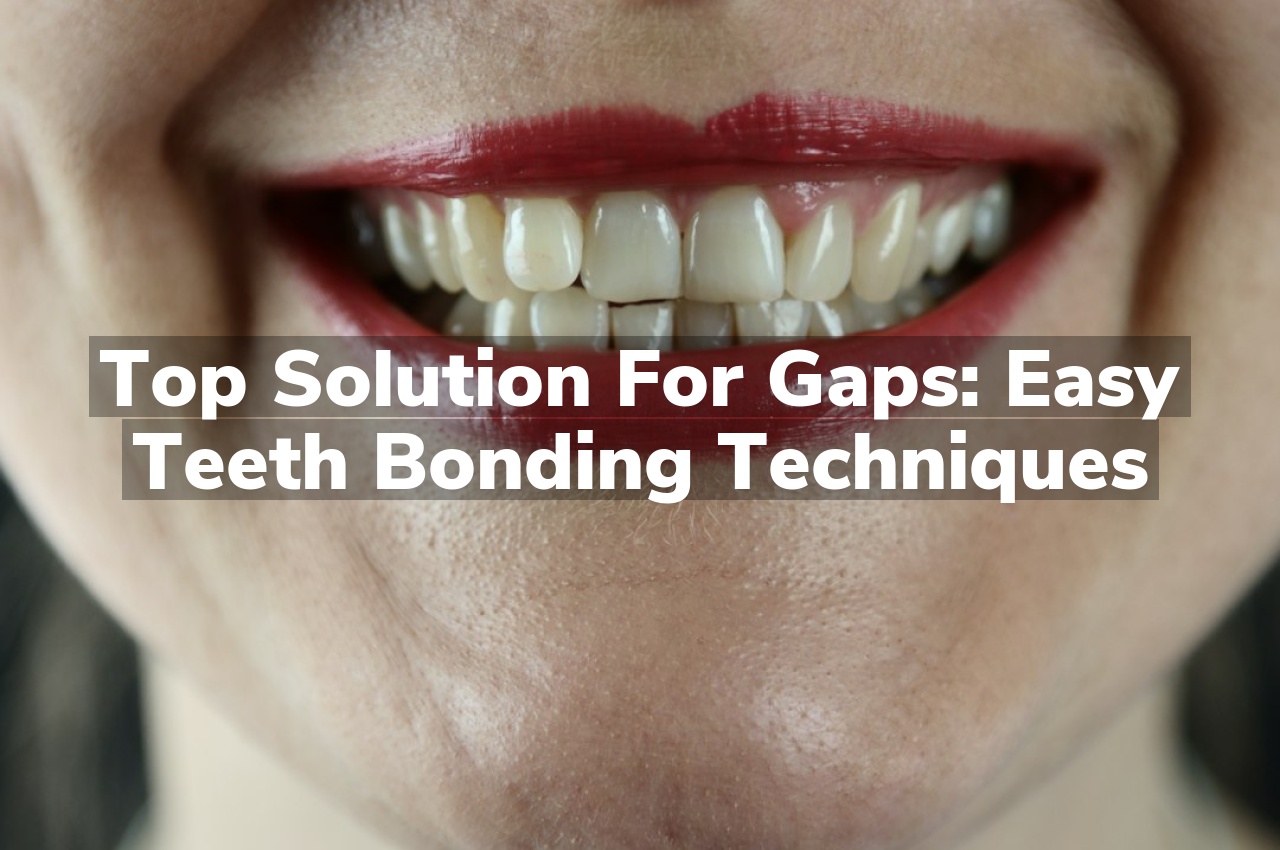
    Top Solution for Gaps: Easy Teeth Bonding Techniques

    Are you self-conscious about gaps in your smile and looking for a seamless solution? At Joel W. Yates Jr. D.D.S., we specialize in easy teeth bonding techniques that can quickly transform your smile by filling in those unsightly spaces with durable, natural-looking results.

    Understanding Dental Bonding Basics


    Dental bonding is a popular cosmetic dentistry procedure that can effectively address gaps between teeth, as well as other minor dental imperfections. The process involves the application of a tooth-colored resin material to the tooth’s surface, which is then hardened with a special light. This ultimately bonds the material to the tooth and improves the overall appearance of your smile. Dental bonding is a quick and cost-effective solution compared to other dental procedures like veneers or crowns, making it an attractive option for those looking to enhance their smile without extensive dental work.

    One common question that arises when considering this procedure is its comfort level. Patients often wonder about the experience and whether it involves any pain. For those concerned about discomfort, Does Teeth Bonding Hurt? Understanding the Painless Procedure offers a comprehensive look into what one can expect during the bonding process. Generally, dental bonding is a painless treatment that requires no anesthesia unless it’s being used to fill a decayed tooth. The simplicity and ease of the procedure make it an ideal choice for quickly fixing gaps and restoring confidence in your smile.

    Preparing Teeth for Bonding Process


    Before undergoing the transformative teeth bonding procedure, it’s essential to properly prepare your teeth to ensure the best possible outcome. The preparation phase is relatively straightforward and non-invasive, beginning with a thorough cleaning to remove any plaque or tartar buildup. Your dentist will then select a resin color that closely matches your natural tooth color. The surface of the tooth is gently etched to create a rough texture for the bonding material to adhere to. A conditioning liquid is applied to help the bonding material stick firmly, setting the stage for a successful and durable bond.

    The teeth bonding process is a quick and effective way to address gaps and imperfections, but the longevity and appearance of the results heavily depend on the initial preparation. By following these meticulous steps, your dentist ensures that the bonding material will securely attach to your teeth, creating a seamless and natural-looking enhancement. If you’re considering this cosmetic solution and are in the Jefferson area, don’t hesitate to Get a Smile Makeover in Jefferson and enjoy the confidence that comes with a flawless smile.

    Selecting the Right Bonding Material


    When considering teeth bonding to close gaps and enhance your smile, selecting the right bonding material is crucial for a natural look and long-lasting results. Dental bonding materials typically consist of composite resins, which are available in a variety of shades to match your tooth color precisely. Your dentist will skillfully choose a resin that blends seamlessly with your teeth, ensuring the bonded area is indistinguishable from your natural enamel. It’s important to discuss with your dentist the quality and composition of the resin used, as advanced materials can offer superior aesthetics, strength, and resistance to staining, making your investment in dental bonding a wise choice for both your appearance and oral health.

    Step-by-Step Bonding Application Guide


    If you’re looking to address unsightly gaps in your teeth, dental bonding is a quick and effective solution. This cosmetic procedure can be completed in just one visit to your dentist and involves the following steps: First, your dentist will select a composite resin color that closely matches your natural teeth. Next, the surface of the tooth is gently etched to help the bonding material adhere. Then, the resin is applied, molded, and smoothed to the desired shape. A special light is used to harden the material, after which it is further trimmed and polished to blend seamlessly with your tooth’s surface. With proper care, dental bonding can last several years, making it a convenient and cost-effective way to enhance your smile. For expert dental bonding services, consider visiting Joel W Yates Jr. D.D.S, where we prioritize your comfort and satisfaction with every procedure.

    Aftercare Tips for Bonded Teeth


    Maintaining the longevity and appearance of your bonded teeth is crucial for a confident smile. After undergoing teeth bonding, it’s essential to follow a few aftercare tips to ensure the best results. First, practice good oral hygiene by brushing twice daily with a soft-bristled toothbrush and non-abrasive toothpaste, and flossing regularly to prevent plaque buildup. Avoid biting on hard foods or objects, as this can chip the bonding material. It’s also advisable to limit the intake of stain-inducing substances like coffee, tea, and red wine, especially during the first 48 hours after the procedure. Regular dental check-ups and cleanings are vital to monitor the condition of bonded teeth and address any issues promptly. By adhering to these simple aftercare practices, you can enjoy a beautiful, healthy smile with your newly bonded teeth for years to come.

    Conclusion

    Experience the confidence boost that comes with a stunning smile; call Joel W. Yates Jr. D.D.S at 336-846-2323 and read our reviews to see how we transform lives with cosmetic tooth bonding.

    Kickstart

    February 2, 2024
Next Page→

Joel Yates DDS

Proudly making smiles brighter in the Jefferson area.

Book An Appointment

Contact

525 E Main St, Jefferson, NC 28640

(336) 846-2323

Services

  • Cosmetic Dentistry

  • Emergency Dentistry

  • General Dentistry

  • Orthodontics

  • Preventive Dentistry

  • Restorative Dentistry

Hours

Monday: 8 AM–4:30 PM
Tuesday: 8 AM–4:30 PM
Wednesday: 8 AM–4:30 PM
Thursday: 8 AM–4:30 PM
Friday: Closed
Saturday: Closed
Sunday: Closed

© 2025 Joel Yates DDS. Privacy Policy