525 E Main St, Jefferson, NC 28640

(336) 846-2323

joel-yates-dental
  • About
    • Meet Our Team
  • Services
    • General Dentistry
      • Dental Cleaning And Exams
      • Digital X-Rays
      • Family Dentistry
      • Pediatric Dental Exams
      • Tooth Fillings
      • Children Dental Cleanings
    • Cosmetic Dentistry
      • Botox Treatment
      • Cosmetic Tooth Bonding
      • Dental Bridges
      • Dental Crowns
      • Dental Veneers
      • Gum Contouring
      • Invisalign
      • Teeth Whitening
    • Emergency Dentistry
      • Tooth Extractions
    • Restorative Dentistry
      • Bone Grafting
      • Dental Implants
      • Dentures
      • Endodontics
      • Orthodontics
      • Periodontal Gum Disease
      • Retainers
      • Root Canal Therapy
      • Scaling and Root Planing
      • Sedation Dentistry
      • Sleep Apnea
      • TMJ Treatment
      • Oral Cancer Screening
    • Fluoride Treatment
    • Pediatric Dentistry
    • Preventive Dentistry
  • New Patients
  • Blog
  • Contact
Book An Appointment
  • Does Teeth Bonding Hurt? Understanding the Painless Procedure

    Does Teeth Bonding Hurt? Understanding the Painless Procedure

    Does the thought of teeth bonding make you wince in anticipation of pain? At Joel W. Yates Jr. D.D.S., we’re here to dispel your concerns with our gentle approach to this painless procedure, ensuring a comfortable experience that enhances your smile without discomfort.

    What is Teeth Bonding?

    Teeth bonding is a cosmetic dental procedure that involves the application of a tooth-colored resin material to the surface of your teeth. This material is then hardened with a special light, which ultimately bonds it to the tooth to restore or improve a person’s smile. It’s a popular choice for fixing chipped, cracked, or discolored teeth, as well as for closing gaps between teeth or changing their shape. The process is typically painless and can be completed in a single visit to the dentist, making it a convenient option for those looking to enhance their smile without extensive dental work.

    For individuals who have recently had their braces removed and are looking to refine their smile even further, teeth bonding can be an excellent finishing touch. Achieving the Perfect Smile: Why Teeth Bonding is Ideal After Braces explores how this procedure can address any minor imperfections left after orthodontic treatment, providing a seamless and attractive appearance. Since the bonding material can be matched to the natural color of your teeth, it offers a subtle yet effective way to create that flawless smile you’ve been aiming for.

    Preparing for the Bonding Process

    Before undergoing teeth bonding, it’s essential to understand what preparation entails to ensure a smooth and comfortable experience. Initially, a consultation with your dentist is necessary to discuss your dental goals and assess the suitability of bonding for your specific needs. During this visit, your dentist will examine your teeth and may take X-rays to evaluate the health of your teeth and gums. There’s no special preparation required on your part for the bonding procedure itself, as it is minimally invasive and typically pain-free. However, maintaining good oral hygiene leading up to the appointment can help prevent any potential complications.

    It’s also important to have realistic expectations and understand that while bonding can significantly improve the appearance of your teeth, it is not a substitute for more extensive cosmetic or orthodontic work if that is what is needed. Your dentist will likely advise you to avoid substances that can stain the resin, such as coffee, tea, or tobacco, in the days immediately following the procedure to ensure the best results. If you’re feeling anxious about the procedure, discuss this with your dentist—they can provide reassurance and explain each step as it happens. For those looking to enhance their smile with minimal discomfort, Cosmetic Bonding Experts Near Jefferson are available to guide you through the process with expertise and care.

    The Bonding Procedure Step-by-Step

    Embarking on a teeth-bonding journey often begins with the question: “Does teeth bonding hurt?” To alleviate any concerns, let’s walk through the painless procedure step-by-step. Initially, your dentist will select a resin color that closely matches your natural teeth. Next, the tooth surface is gently etched to allow the bonding material to adhere more effectively. A conditioning liquid is then applied, followed by the application of the tooth-colored resin. The dentist molds and smooths the resin to the desired shape before using a special light to harden the material quickly. Finally, after the resin has set, your dentist will make any necessary adjustments and polish the bonded tooth to blend seamlessly with your other teeth. This straightforward process typically requires no anesthesia and is virtually pain-free, making it an attractive option for improving your smile with minimal discomfort.

    Sensations During Teeth Bonding

    Many patients considering teeth bonding are concerned about potential discomfort during the procedure. It’s important to understand that teeth bonding is generally painless. The process involves the application of a tooth-colored resin to repair chips, cracks, or gaps, which is then hardened with a special light. Throughout the procedure, you may feel slight pressure or vibrations, but no significant pain should be experienced. Local anesthesia is rarely required, as the bonding material is applied to the surface of the tooth without affecting nerves. For those with dental anxiety or heightened sensitivity, your dentist can discuss options to ensure your comfort. Remember, the goal of teeth bonding is not only to enhance your smile but also to do so with minimal discomfort. If you’re looking for a gentle and pain-free bonding experience, consider visiting our dental practice, Joel W Yates Jr. D.D.S, where your comfort and care are our top priorities.

    Aftercare and Longevity of Bonding

    After your teeth bonding procedure, which is typically pain-free due to the non-invasive techniques and local anesthesia used, proper aftercare is crucial to ensure the longevity of your bonding. To maintain your newly bonded teeth, it’s essential to practice good oral hygiene, including regular brushing and flossing, and to avoid habits that can chip or damage the bonding material, such as biting nails or chewing on hard objects. Additionally, it’s advisable to schedule regular dental check-ups to monitor the condition of the bonding. With meticulous care, dental bonding can last anywhere from 3 to 10 years before needing a touch-up or replacement, making it a durable and cost-effective solution for enhancing your smile.

    Conclusion

    Experience the confidence boost that comes with a stunning smile; call Joel W. Yates Jr. D.D.S at 336-846-2323 and read our reviews to see how we transform lives with cosmetic tooth bonding.

    Kickstart

    February 2, 2024
  • Achieving the Perfect Smile: Why Teeth Bonding is Ideal After Braces

    Achieving the Perfect Smile: Why Teeth Bonding is Ideal After Braces

    Are you on the quest for the perfect smile, even after your braces come off? Teeth bonding is a seamless and efficient way to refine your smile post-orthodontics, addressing any minor imperfections and achieving that flawless finish you’ve been dreaming of.

    What is Teeth Bonding?

    Teeth bonding, also known as dental or composite bonding, is a cosmetic dentistry procedure that can be the perfect finishing touch after braces. It involves the application of a tooth-colored resin material to the teeth, which is then shaped, hardened with a special light, and polished to blend seamlessly with the surrounding tooth structure. This technique is ideal for correcting imperfections such as chips, gaps, or irregular shapes that may still be present after orthodontic treatment. Not only is it a minimally invasive and cost-effective solution, but it also requires minimal tooth enamel removal compared to other cosmetic procedures.

    For those curious about the transformative power of this procedure, exploring Before and After Transformation: The Best Results from Cosmetic Tooth Bonding can provide a visual testament to its effectiveness. Teeth bonding can dramatically enhance the aesthetics of your smile by improving tooth color, shape, and overall appearance. It’s a quick process, often completed in a single visit, making it an excellent option for patients seeking immediate improvements after their braces are removed.

    Preparing for the Bonding Process

    After the successful removal of braces, your teeth will be in the correct alignment, but you might still notice some imperfections such as gaps, chips, or irregular shapes that can detract from your smile. Preparing for the teeth bonding process is a crucial step towards achieving that flawless smile you’ve been dreaming of. Before the procedure, your dentist will conduct a thorough examination to ensure your teeth and gums are healthy and to determine if dental bonding is the right option for you. It’s important to maintain good oral hygiene leading up to the procedure, as clean teeth are essential for the bonding material to adhere properly. Additionally, discussing your expectations and desired outcomes with your dentist can help tailor the bonding process to best suit your aesthetic goals.

    Once you’re deemed a suitable candidate for teeth bonding, your dentist will select a resin color that closely matches the natural shade of your teeth, ensuring a seamless and natural-looking result. The surface of your teeth will be gently etched to create a rough texture for stronger bonding. Preparing for this non-invasive procedure requires minimal effort on your part, but understanding the steps involved can help alleviate any concerns and set the stage for a successful transformation. If you’re ready to take the next step towards a dazzling smile in Jefferson, consider exploring our Transform Your Smile services to see how cosmetic tooth bonding can enhance your post-braces appearance.

    The Bonding Procedure Step-by-Step

    Once your braces have successfully aligned your teeth, teeth bonding can be the ideal finishing touch to achieve that perfect smile. The bonding procedure is relatively simple and can often be completed in a single visit to your dentist. Initially, your dentist will select a resin color that matches the shade of your natural teeth. The surface of the tooth is then gently etched to allow the bonding material to adhere more effectively. Next, the resin is applied, molded, and sculpted to the desired shape. A special light is used to harden the resin quickly. Finally, your dentist will polish the bonded area to match the sheen of your surrounding teeth, ensuring a seamless integration. This step-by-step process not only enhances the appearance of your teeth post-braces but also repairs any minor chips or imperfections, contributing to a flawless and durable smile.

    Sensations During Teeth Bonding

    After the meticulous journey of straightening your teeth with braces, teeth bonding emerges as a seamless and comfortable final touch to achieve that perfect smile. Patients often express curiosity about what to expect during the bonding process, particularly concerning sensations. Rest assured, teeth bonding is a minimally invasive procedure that typically involves little to no discomfort. During the treatment, you may feel a slight vibration as the dentist roughens the tooth surface to ensure a strong bond between your tooth and the resin. As the resin is sculpted and hardened with a special light, there is no pain involved, just a warm sensation that is generally well-tolerated. With no need for anesthesia, you can relax in the chair, knowing that any sensations you experience will be mild and temporary, leading to a beautifully enhanced smile without the discomfort often associated with dental work.

    Aftercare and Longevity of Teeth Bonding

    Once your braces have been removed and you’re enjoying the alignment of your new smile, teeth bonding can be the ideal finishing touch to correct any minor imperfections. To ensure the longevity of your bonding, aftercare is crucial. It’s important to maintain good oral hygiene by brushing twice a day, flossing regularly, and avoiding habits that could chip the bonding material, such as biting nails or chewing on hard objects. Regular dental check-ups are also essential to monitor the condition of the bonding. With proper care, the results of teeth bonding can last for several years, making it a cost-effective and minimally invasive option for a perfect smile. To learn more about how to maintain your bonded teeth and keep your smile shining bright, consider visiting our dental practice, Joel W Yates Jr. D.D.S, where we prioritize your dental health and aesthetics.

    Conclusion

    Experience the confidence that comes with a stunning smile; call us at 336-846-2323 and read our reviews to see how cosmetic tooth bonding has transformed our patients’ lives.

    Kickstart

    February 2, 2024
  • Can Throat Cancer Be Detected Through Blood Work?

    Can Throat Cancer Be Detected Through Blood Work?

    Can throat cancer be detected through a simple blood test? At Joel W. Yates Jr. D.D.S., we understand the importance of early detection, and while blood work can sometimes indicate the presence of cancer, it is not a definitive method for diagnosing throat cancer, which typically requires a combination of physical examinations, imaging tests, and tissue biopsies for accurate detection.

    Biomarkers for Throat Cancer Detection

    Identifying throat cancer in its early stages is crucial for successful treatment and improved patient outcomes. While traditional diagnostic methods involve imaging and biopsies, recent advancements in medical science have led to the exploration of blood-based biomarkers as potential tools for cancer detection. These biomarkers are substances, often proteins, that can indicate the presence of cancer in the body. Researchers are actively investigating specific biomarkers associated with throat cancer, such as tumor DNA fragments, circulating tumor cells (CTCs), and protein markers that could be detected through a simple blood test. Although this area of research is promising, it is still in development, and blood work alone may not be sufficient for a definitive diagnosis of throat cancer at this time.

    For a more comprehensive understanding of current diagnostic practices, it’s important to consider the full spectrum of available tests. By exploring How is oral cancer diagnosed through effective tests?, patients and healthcare providers can gain insights into the various methods used to identify throat and oral cancers, including imaging techniques, endoscopic examinations, and tissue biopsies. These procedures, combined with emerging blood biomarker research, contribute to a multi-faceted approach to cancer detection that may enhance early diagnosis and treatment planning.

    Blood Tests vs. Tissue Biopsy

    When it comes to diagnosing throat cancer, medical professionals typically rely on tissue biopsies as the gold standard. A biopsy involves taking a small sample of tissue from the suspected area and examining it under a microscope for cancerous cells. This method is highly accurate and can provide definitive information about the presence and type of cancer. On the other hand, blood tests, which are less invasive, are not currently a standard diagnostic tool for throat cancer. While research is ongoing, blood tests may help in detecting certain biomarkers that could suggest the presence of cancer or provide information about the patient’s overall health, but they cannot confirm a throat cancer diagnosis with the same level of certainty as a tissue biopsy.

     Blood tests may be used in conjunction with other diagnostic methods to monitor the patient’s health and response to treatment once a diagnosis has been made. They can check for signs of infection, anemia, or other conditions that may affect treatment plans. However, for those concerned about the risks and early detection of throat cancer, it’s important to consult with healthcare professionals who specialize in this area. For more information on the importance of early detection and screening methods for oral cancers, consider exploring resources such as the Early Detection Oral Cancer Jefferson article.

    Advances in Liquid Biopsy Technology

    Recent advancements in liquid biopsy technology have shown promise in the early detection of various cancers, including throat cancer. This non-invasive diagnostic method analyzes circulating tumor DNA (ctDNA) and other cancer-related biomarkers found in a patient’s blood sample. While traditional biopsies require tissue from the tumor site, liquid biopsies offer a less invasive alternative, potentially leading to earlier detection and treatment.

     Researchers are continually refining the sensitivity and specificity of these tests, aiming to improve their ability to detect throat cancer at its earliest stages. As this technology progresses, it may become a standard tool for oncologists to monitor tumor dynamics and response to treatment, revolutionizing the approach to cancer care.

    Understanding Throat Cancer Blood Panels

    While throat cancer is typically diagnosed through physical examinations, imaging tests, and tissue biopsies, researchers are exploring the potential of blood panels for early detection. Blood tests that look for tumor markers—substances produced by cancer cells or by the body in response to cancer—can sometimes offer clues about the presence of throat cancer. However, these tests are not yet definitive for throat cancer diagnosis on their own. 

    They may help in monitoring the disease or its response to treatment. Understanding throat cancer blood panels involves recognizing their supportive role in the broader diagnostic process, as they can indicate abnormal immune responses or the presence of certain proteins that could be associated with malignancies in the throat. It’s important to consult with a healthcare professional to interpret these tests accurately and to understand their limitations in the context of throat cancer detection and monitoring.

    Limitations of Blood-Based Diagnostics

    While blood tests can offer valuable insights into overall health and in some cases, help in the detection of certain cancers, they have limitations when it comes to diagnosing throat cancer. Blood-based diagnostics cannot directly detect throat cancer or provide a definitive diagnosis. Instead, they may identify abnormalities or markers that suggest further investigation is necessary. 

    For instance, elevated levels of certain proteins or the presence of cancer cells in the blood could prompt additional tests. However, these findings are not exclusive to throat cancer and can be associated with a variety of conditions. Moreover, early-stage throat cancers may not produce detectable signals in the blood, making it challenging to rely solely on blood work for early detection. Therefore, a comprehensive approach that includes imaging, endoscopic examinations, and tissue biopsies remains the gold standard for diagnosing throat cancer.

    Conclusion

    For a thorough evaluation and to discuss oral cancer screening, call Joel W Yates Jr. D.D.S at 336-846-2323, or read our reviews on Google Maps.

    Kickstart

    January 18, 2024
  • Exploring The Significance Of An Oral Cancer Screening

    Exploring The Significance Of An Oral Cancer Screening

    Have you ever considered the importance of an oral cancer screening during your dental visits? At Joel W. Yates Jr. D.D.S., we prioritize your overall health by incorporating comprehensive screenings to detect early signs of oral cancer, ensuring timely intervention and peace of mind for every patient.

    Early Detection Saves Lives

    The importance of early detection in the fight against oral cancer cannot be overstated. When identified at an early stage, the chances of successful treatment and survival increase significantly. Oral cancer screenings are a crucial tool in this early detection process, as they can reveal precancerous conditions or cancer at a stage when it is most treatable. Regular screenings by a dental professional can catch symptoms that might be overlooked by the untrained eye, such as unusual sores or discolored patches in the mouth. This proactive approach to health can mean the difference between a manageable treatment plan and one that is far more complex and invasive. 

    Understanding the various methods of detection is also key to a comprehensive approach to oral health. For instance, many patients wonder, Can throat cancer be detected through blood work? While blood tests can offer insights into one’s overall health and can sometimes indicate the presence of cancer, they are not typically used as a primary tool for diagnosing oral or throat cancer. Instead, a combination of physical examinations, imaging tests, and tissue biopsies are more commonly employed to diagnose these types of cancers accurately. Therefore, it’s essential to consult with healthcare professionals who can guide you through the appropriate screening processes for early detection.

    Understanding Oral Cancer Risk Factors

    Understanding the risk factors for oral cancer is crucial for early detection and prevention. Lifestyle choices such as tobacco use, including cigarettes, cigars, pipes, chewing tobacco, and snuff, are among the top contributors to the development of oral cancer. Alcohol consumption, particularly when combined with tobacco use, significantly increases the risk. Additionally, exposure to human papillomavirus (HPV), particularly HPV-16, has been linked to a higher incidence of certain types of oral cancers. Other factors include excessive sun exposure to the lips, a family history of cancer, a diet low in fruits and vegetables, and certain genetic syndromes. 

    Being aware of these risks can prompt individuals to seek regular screenings and adopt healthier habits that may reduce their chances of developing oral cancer. Regular oral cancer screenings are an essential part of dental health care. During a screening, a dentist or doctor will look for any signs of abnormal tissue or lesions in the mouth that could indicate the presence of cancer or precancerous conditions. Early detection through these screenings can lead to more effective treatment and a better prognosis. For those interested in comprehensive dental care that includes a focus on oral cancer prevention, consider visiting Jefferson’s Premier Oral Cancer Screenings, where expert care meets cutting-edge technology to ensure your oral health is in the best hands.

    Screening Process: What to Expect

    When scheduling an oral cancer screening, it’s essential to understand the straightforward and non-invasive process you’ll undergo. Typically, your dentist or healthcare provider will begin with a visual inspection of your mouth, looking for any asymmetries, swellings, bumps, patches of color, ulcerations, or other abnormalities. They will also palpate or feel the tissues in your mouth, throat, and neck to detect any unusual masses or nodules. 

    Some practitioners may use additional tools or dyes that help highlight suspicious areas. The entire process is usually quick, often taking less than five minutes, and is performed without any pain or significant discomfort. By being informed about what to expect during an oral cancer screening, you can approach your appointment with confidence and peace of mind.

    Signs and Symptoms to Watch for Oral Cancer

    When it comes to oral cancer, early detection is crucial for successful treatment. Be vigilant for signs and symptoms such as persistent sores or painful areas in the mouth that do not heal within two weeks, unexplained bleeding, numbness or tenderness in the face, mouth, or neck, and difficulty chewing, swallowing, or speaking. Other indicators include a change in the way your teeth or dentures fit together, a lump or thickening in the cheek, a white or red patch on the gums, tongue, tonsil, or lining of the mouth, and a sore throat or feeling that something is caught in the throat. If you notice any of these symptoms, it’s important to schedule an oral cancer screening with your healthcare provider as soon as possible. Early intervention can be the key to a positive outcome.

    Advances in Oral Cancer Diagnostics

    Recent advancements in oral cancer diagnostics are revolutionizing the way dental professionals and oncologists detect and manage this serious disease. Cutting-edge technologies such as high-resolution imaging, optical fluorescence, and brush biopsies allow for earlier detection of oral cancer, which is crucial for improving patient outcomes. These innovative methods offer a non-invasive, more comfortable experience for patients while providing highly accurate results.

     With the integration of artificial intelligence and machine learning, diagnostic tools are becoming even more sophisticated, enabling the identification of precancerous lesions and cancer at its earliest stages. Embracing these advances in oral cancer diagnostics is essential for any comprehensive oral health care regimen, as early intervention remains the key to successful treatment and increased survival rates.

    Conclusion

    For a thorough evaluation and expert care in oral cancer diagnosis, call Joel W Yates Jr. D.D.S at 336-846-2323, and read our reviews on Google Maps.

    Kickstart

    January 18, 2024
  • Conducting A Self-Oral Cancer Screening At Home

    Conducting A Self-Oral Cancer Screening At Home

    Are you aware of the early signs of oral cancer and how to check for them from the comfort of your home? Dr. Joel W. Yates Jr. D.D.S guides you through simple steps for a self-oral cancer screening, empowering you to take charge of your oral health between regular dental visits.

    Identifying Risk Factors for Oral Cancer

    Understanding the risk factors for oral cancer is a crucial step in early detection and prevention. Lifestyle choices such as tobacco use, including cigarettes, cigars, pipes, chewing tobacco, and snuff, significantly increase the risk of developing oral cancer. Alcohol consumption, particularly when combined with tobacco use, further exacerbates the risk. It’s also important to consider exposure to human papillomavirus (HPV), particularly HPV-16, which has been linked to oropharyngeal cancers. Other factors include a family history of cancer, excessive sun exposure to the lips, and a diet low in fruits and vegetables. Being aware of these risks can prompt more vigilant self-screening and encourage individuals to seek professional screenings regularly.

    While self-screening at home is a proactive approach to monitoring your oral health, it’s essential to recognize the limitations of self-examination. Professional screenings are more comprehensive and can detect subtle signs of oral cancer that might be missed at home. For a deeper understanding of why these screenings are vital, consider Exploring the significance of an oral cancer screening. This resource can provide valuable information on how professional evaluations complement your self-screening efforts and the importance of early detection in improving treatment outcomes.

    Tools Needed for Home Screening

    Conducting a self-oral cancer screening at home is a proactive step towards maintaining your oral health. To perform this screening effectively, you will need a few simple tools. Firstly, a good quality mirror is essential to ensure you have a clear view of all areas inside your mouth, including the back of your throat. Secondly, adequate lighting is crucial; a flashlight or a well-lit room can help illuminate the oral cavity for better visibility. A dental mirror can also be helpful to view hard-to-see areas, and a piece of gauze can be used to hold and move the tongue for a thorough examination. 

    Remember, these tools are not substitutes for professional evaluation, but they can be beneficial for early detection and peace of mind between dental visits. While these tools can aid in a basic home screening, it’s important to note that professional screenings are more comprehensive. For those in Jefferson looking to ensure their oral health is in top shape, consider scheduling an appointment for Oral Cancer Checks in Jefferson. Regular check-ups with a healthcare professional are crucial for early detection and effective management of oral cancer.

    Step-by-Step Self-Examination Process

    Conducting a self-oral cancer screening at home is a proactive measure to detect early signs of oral cancer. Begin by washing your hands thoroughly and standing in front of a well-lit mirror. Use a flashlight for better visibility and start by examining your face for asymmetry, swelling, or skin discoloration. Next, inspect the inside of your mouth, looking at the roof, floor, and checking under your tongue for unusual sores or patches. Gently pull your cheeks out to view the tissues and look for lumps or ulcers. Feel the inside of your mouth with a clean finger to detect any lumps or tender areas.

     Don’t forget to check your throat and neck for lumps by gently pressing along the area. If you notice any persistent changes or symptoms, it’s crucial to consult a healthcare professional for a comprehensive evaluation. Regular self-exams can be an effective way to spot potential issues early, but they do not replace professional screenings.

    Recognizing Abnormal Signs and Symptoms

    When conducting a self-oral cancer screening at home, it’s crucial to be vigilant about recognizing abnormal signs and symptoms that may indicate potential issues. Pay close attention to any persistent sores or ulcers that don’t heal within two weeks, unusual lumps or thickening in the cheek, red or white patches on the gums, tongue, tonsil, or lining of the mouth, and difficulty swallowing or persistent sore throat. 

    Additionally, be aware of any numbness, tenderness, or pain in the mouth or lips, as well as a change in the way your teeth fit together when you close your mouth. If you notice any of these warning signs, it’s important to consult a healthcare professional promptly for a thorough evaluation and to rule out oral cancer or other health conditions.

    When to Seek Professional Evaluation

    While conducting a self-oral cancer screening at home is a proactive step towards early detection, it’s crucial to recognize the signs that warrant a professional evaluation. If you notice persistent symptoms such as sores that do not heal within two weeks, unexplained bleeding, lumps or thickening in the mouth or throat, difficulty swallowing, or changes in your voice, it’s time to consult a healthcare professional.

     Additionally, if you observe patches of red or white in the mouth or experience pain or numbness that doesn’t subside, these could be indicative of more serious conditions. Early intervention by a dentist or doctor can significantly improve the effectiveness of treatment, so do not hesitate to seek medical advice if you encounter any of these concerning signs.

    Conclusion

    For a thorough evaluation and expert care in oral cancer diagnosis, call Joel W Yates Jr. D.D.S at 336-846-2323, and read our reviews on Google Maps.

    Kickstart

    January 18, 2024
  • Understanding The Process Of Testing For Oral Cancer

    Understanding The Process Of Testing For Oral Cancer

    Are you aware of how oral cancer screenings are conducted at your dental visits? At Joel W. Yates Jr. D.D.S., we prioritize your health by thoroughly examining your mouth for any signs of cancer, using advanced techniques to detect early stages and ensure prompt, effective treatment.

    Identifying Oral Cancer Risk Factors

    Understanding the risk factors for oral cancer is crucial in early detection and prevention. Lifestyle choices such as tobacco use, heavy alcohol consumption, and excessive sun exposure to the lips are among the leading risk factors. Additionally, the human papillomavirus (HPV) has been identified as a contributor to the development of certain types of oral cancers. It’s important to recognize that individuals with a history of oral cancer in their family may also be at an increased risk. Regular dental check-ups can help in identifying any early signs of oral cancer, but being aware of the risk factors can empower individuals to take proactive steps in monitoring their oral health. 

    While professional screenings are essential, individuals can also play an active role in early detection by Conducting a self-oral cancer screening at home. This involves examining your own mouth for any unusual changes such as sores, lumps, or long-standing ulcers that do not heal. It’s important to look for asymmetries, discolorations, or any other changes in the tissues of the mouth, including the tongue, cheeks, and gums. If you notice any persistent changes or symptoms, it’s imperative to seek professional medical advice promptly. Remember, early detection can significantly improve the outcome of oral cancer treatment.

    Initial Oral Cancer Screening Steps

    The journey to safeguarding your health against oral cancer begins with initial screening steps that are both simple and crucial. During a routine dental checkup, your dentist will perform a visual inspection of your mouth, looking for any signs of abnormal tissue or sores. This is followed by a physical examination where the dentist palpates the head, cheeks, jaw, oral cavity, and neck to detect any unusual lumps or masses. These initial steps are non-invasive and can be completed quickly, but they play a vital role in early detection, which significantly increases the chances of successful treatment.

     In addition to the visual and physical examination, your dentist may use special lights or dyes that help highlight abnormal cells or tissues in your mouth. If any suspicious areas are found, your dentist will discuss the next steps with you, which may include a biopsy or referral to a specialist for further evaluation. Remember, early detection through regular screenings is your best defense against oral cancer. To take proactive steps in protecting your oral health, consider scheduling an appointment for a thorough screening. Get Screened for Oral Cancer Jefferson today and gain peace of mind knowing you’re taking action in the fight against this serious disease.

    Types of Diagnostic Oral Exams

    When it comes to detecting oral cancer, various diagnostic exams play a pivotal role in early identification and successful treatment outcomes. The most common type of exam is the conventional oral examination, where a dentist or doctor visually inspects the mouth, tongue, and throat for any abnormalities such as sores or white patches. Another essential diagnostic tool is the VELscope exam, which uses a special light to detect changes in the mouth that are not visible to the naked eye. 

    Additionally, the brush biopsy technique allows for the collection of cells from a suspicious area, which are then analyzed for cancerous changes. For a more comprehensive assessment, an exfoliative cytology procedure may be performed, where cells are scraped from the mouth and examined under a microscope. These diagnostic methods are crucial in the early detection of oral cancer, ensuring that patients receive prompt and effective care.

    Biopsy Procedures for Oral Cancer

    When it comes to diagnosing oral cancer, biopsy procedures are the gold standard for confirmation. During a biopsy, a small sample of tissue from the suspicious area in the mouth is carefully removed and sent to a laboratory for detailed analysis. The most common types of biopsies for oral cancer include incisional, where only a portion of the abnormal tissue is taken, and excisional, where the entire lesion is removed. 

    Brush biopsies may also be used as a less invasive option, but if abnormal cells are detected, a more definitive biopsy will be necessary. The results from these procedures provide critical information that helps determine the stage and grade of the cancer, ultimately guiding the treatment plan. For those concerned about oral health, understanding that a timely and accurate biopsy can be lifesaving is essential.

    Interpreting Oral Cancer Test Results

    Once you’ve undergone screening for oral cancer, understanding the results is crucial for your next steps. A negative result generally indicates that no signs of cancer were found during the examination. However, if the test is positive, it means that there are abnormal cells or lesions that may require further investigation. In such cases, your healthcare provider will likely recommend a biopsy to determine if these cells are cancerous. 

    It’s important to remember that a positive screening result does not necessarily mean you have oral cancer, as it can sometimes detect non-cancerous conditions. A detailed analysis by a pathologist will provide a definitive diagnosis, guiding your healthcare team to develop an appropriate treatment plan if necessary. Regular follow-ups and monitoring are essential, as early detection of oral cancer significantly improves the chances of successful treatment and recovery.

    Conclusion

    For a thorough evaluation and expert care in oral cancer diagnosis, call Joel W Yates Jr. D.D.S at 336-846-2323, and read our reviews on Google Maps.

    Kickstart

    January 18, 2024
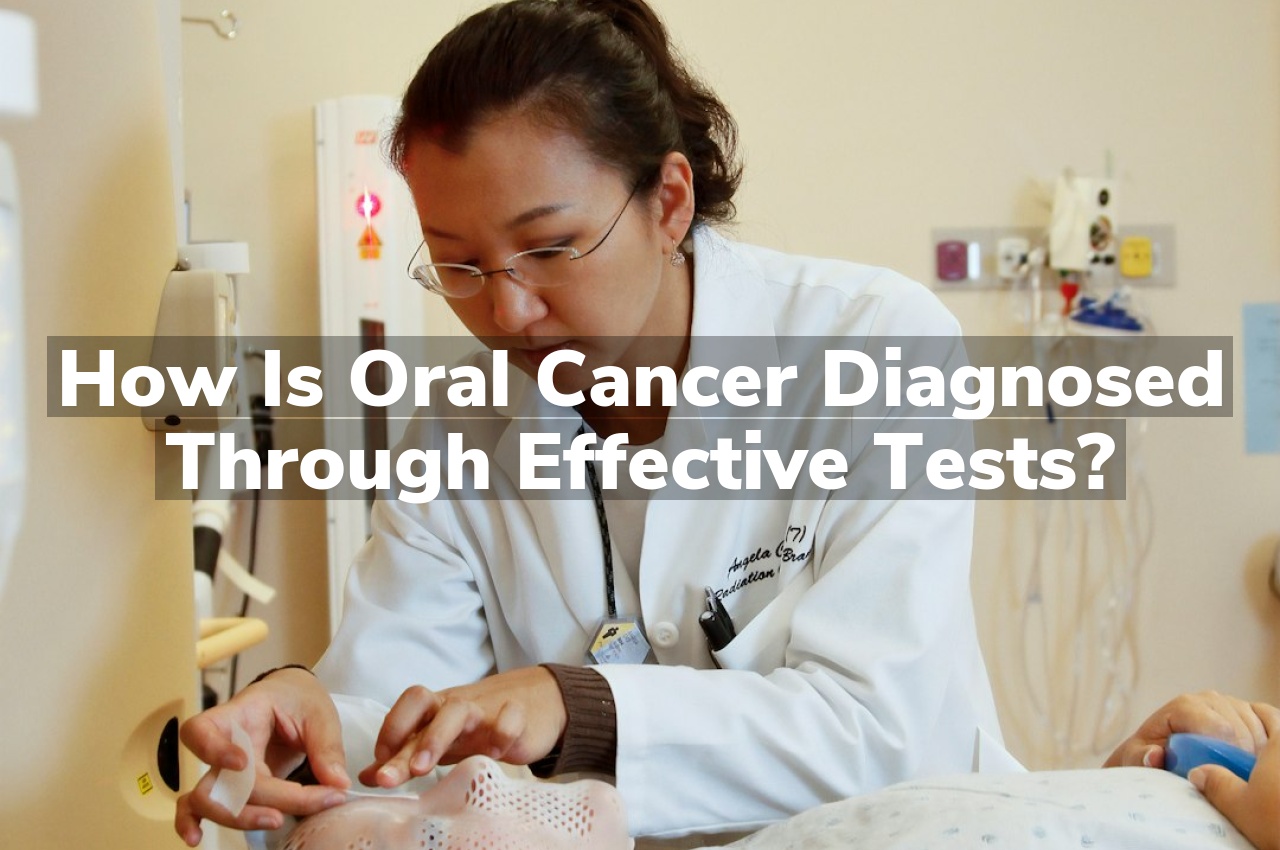
  • How Is Oral Cancer Diagnosed Through Effective Tests?

    How Is Oral Cancer Diagnosed Through Effective Tests?

    How is oral cancer diagnosed through effective tests? At Joel W. Yates Jr. D.D.S., we utilize a combination of thorough visual examinations and advanced diagnostic tools to identify signs of oral cancer early, ensuring prompt and precise intervention for the best possible outcomes.

    Early Detection: Key Screening Methods

    Early detection of oral cancer significantly increases the chances of successful treatment and survival. Dentists and doctors often perform routine oral examinations to look for signs of cancer, even before symptoms appear. This includes a visual inspection of the mouth, face, and neck for any abnormalities, as well as a physical palpation of these areas to feel for lumps or irregular tissue changes. For those at higher risk, such as tobacco and alcohol users, these screenings are particularly crucial. Additionally, newer technologies like VELscope, a special light that can help visualize changes in the oral mucosa, are enhancing early detection capabilities. For a more in-depth understanding of these procedures, consider Understanding the process of testing for oral cancer, which provides valuable insights into the various diagnostic tools used by healthcare professionals.

    Aside from visual and tactile examinations, other screening methods include the use of toluidine blue dye, which can help identify suspicious areas, and brush biopsies that collect cells from the oral tissues for further analysis. When any suspicious lesions are found, a definitive diagnosis is usually made through a scalpel biopsy, where a small piece of tissue is removed and examined under a microscope. It’s important to note that not all irregularities turn out to be cancerous, but early screening and testing are essential steps in ensuring that if oral cancer is present, it is diagnosed at an early stage when treatment is most likely to be effective.

    Biopsy: The Definitive Diagnostic Tool

    A biopsy is often the most conclusive method for diagnosing oral cancer. During this procedure, a small sample of tissue is removed from the suspicious area and examined under a microscope by a pathologist. This test can determine whether the cells are cancerous and, if so, the type and grade of the cancer. There are different types of biopsies, including incisional, where only a portion of the tissue is removed, and excisional, where the entire lesion is excised. The choice of biopsy depends on the size and location of the abnormal area.

     A biopsy not only confirms the presence of cancer but can also provide vital information about the extent of the disease and guide treatment decisions. For individuals seeking comprehensive oral cancer evaluations, Jefferson Oral Cancer Screening Services offer a range of diagnostic options, including biopsies performed by experienced professionals. Early detection and accurate diagnosis are critical in managing oral cancer effectively, and these services play a pivotal role in patient care.

    Imaging Techniques: Beyond the Naked Eye

    Advancements in imaging techniques have revolutionized the early detection and diagnosis of oral cancer, offering a glimpse beyond what the naked eye can see. These non-invasive methods, such as X-rays, CT scans, MRI, and PET scans, allow healthcare professionals to detect abnormalities and assess the extent of cancer with remarkable precision. X-rays can reveal hidden tumors in the jaw and neck, while CT scans provide detailed cross-sectional images that help in evaluating the tumor’s size and location. 

    MRI scans offer a more detailed view of soft tissues, including lymph nodes and muscles, aiding in determining cancer’s stage. PET scans are particularly effective in identifying cancer spread, as they can detect areas of increased metabolic activity typical of cancer cells. By integrating these imaging techniques into the diagnostic process, doctors can formulate a more accurate and tailored treatment plan, improving patient outcomes and survival rates.

    Brush Biopsy: A Non-Invasive Approach

    When it comes to the early detection of oral cancer, a Brush Biopsy is a non-invasive diagnostic tool that stands out for its simplicity and comfort. This procedure involves the gentle brushing of the oral lesion to collect cells for analysis, without the need for scalpel or anesthesia, making it an ideal preliminary test. The collected cells are then examined under a microscope to identify any abnormal changes or signs of malignancy. 

    The ease and minimal discomfort of a brush biopsy encourage patients to undergo regular screenings, thereby increasing the chances of early detection and successful treatment of oral cancer. With its straightforward application, a brush biopsy serves as a crucial step in the fight against this serious disease, offering a quick and effective method for healthcare professionals to assess oral health concerns.

    HPV Testing: Oral Cancer’s Viral Link

    Human Papillomavirus (HPV) has emerged as a significant factor in the development of oral cancer, particularly oropharyngeal cancers affecting the back of the throat, base of the tongue, and tonsils. HPV testing plays a crucial role in the early diagnosis of oral cancer, as it can identify the presence of high-risk HPV strains known to contribute to cancerous changes in oral tissues. This test is typically performed on a sample of cells taken from a suspected lesion or during a routine dental examination. 

    A positive HPV test indicates that a patient may be at an increased risk for developing oral cancer, prompting further investigation and potentially more aggressive monitoring or treatment. As awareness of HPV’s link to oral cancer grows, HPV testing has become an integral part of the diagnostic process, aiding healthcare professionals in identifying at-risk individuals and implementing timely interventions.

    Conclusion

    For a thorough evaluation and to discuss oral cancer screening, call Joel W Yates Jr. D.D.S at 336-846-2323, or read our reviews on Google Maps.

    Kickstart

    January 18, 2024
←Previous Page

Joel Yates DDS

Proudly making smiles brighter in the Jefferson area.

Book An Appointment

Contact

525 E Main St, Jefferson, NC 28640

(336) 846-2323

Services

  • Cosmetic Dentistry

  • Emergency Dentistry

  • General Dentistry

  • Orthodontics

  • Preventive Dentistry

  • Restorative Dentistry

Hours

Monday: 8 AM–4:30 PM
Tuesday: 8 AM–4:30 PM
Wednesday: 8 AM–4:30 PM
Thursday: 8 AM–4:30 PM
Friday: Closed
Saturday: Closed
Sunday: Closed

© 2025 Joel Yates DDS. Privacy Policy